Dental Implants Raynham
The True Gold Standard for Replacing Missing Teeth
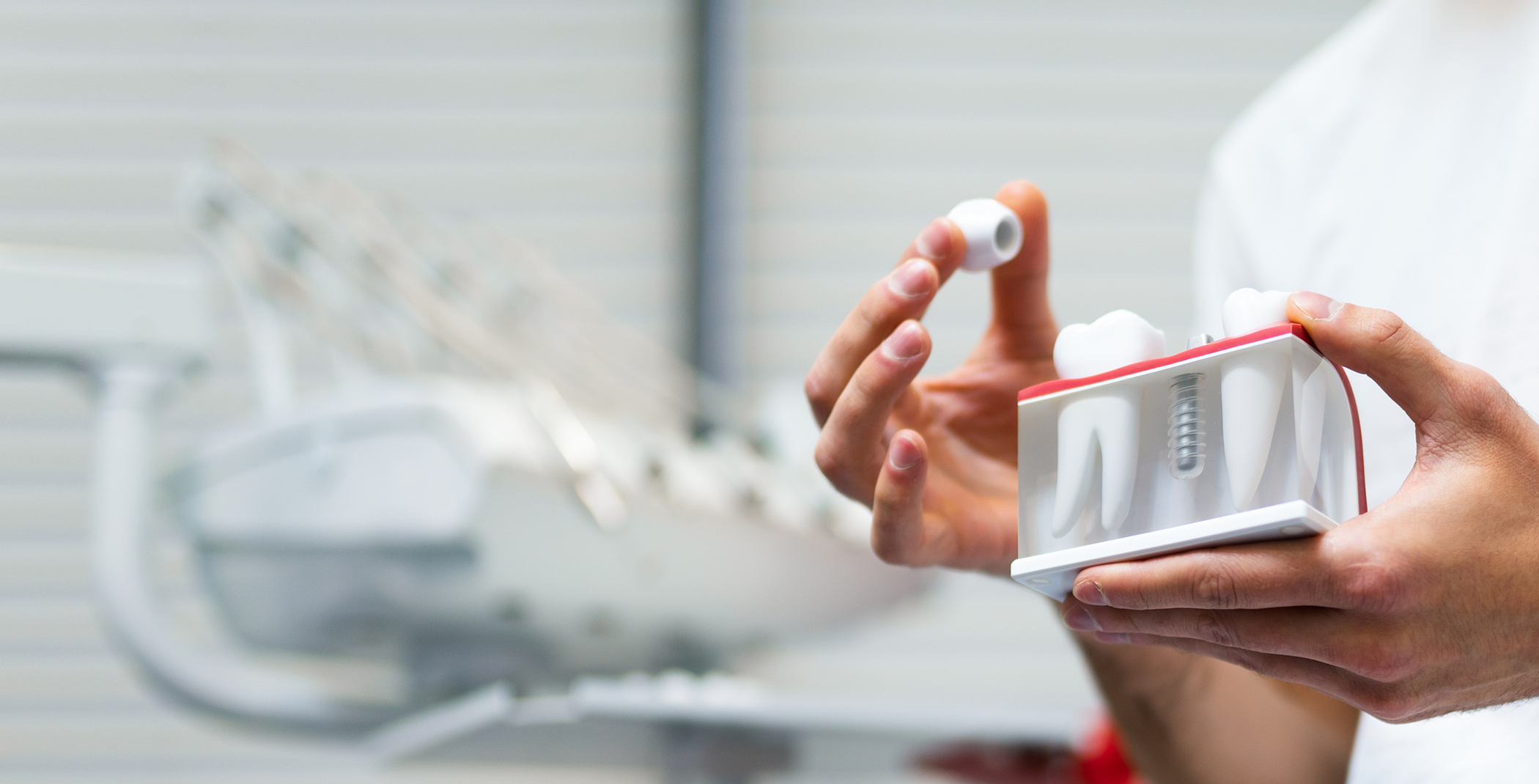
If you’re set on rebuilding your smile, you should opt for a solution that doesn’t just replace your teeth – you should pick one that enhances every aspect of your oral health. Dental implants in Raynham do just that; they’re a superior tooth replacement solution that offers patients a chance to smile happily and healthily for many years to come. To learn more about dental implants and how Dr. Al can help you rebuild your smile and restore your quality of life, don’t hesitate to contact us today!
Why Choose Raynham Dental for Dental Implants?
- 3D-Guided Implant Placement Ensures Precise Results
- Entire Dental Implant Process Completed In-House
- Dental Insurance-Friendly and In-House Plan Available
What Are Dental Implants?
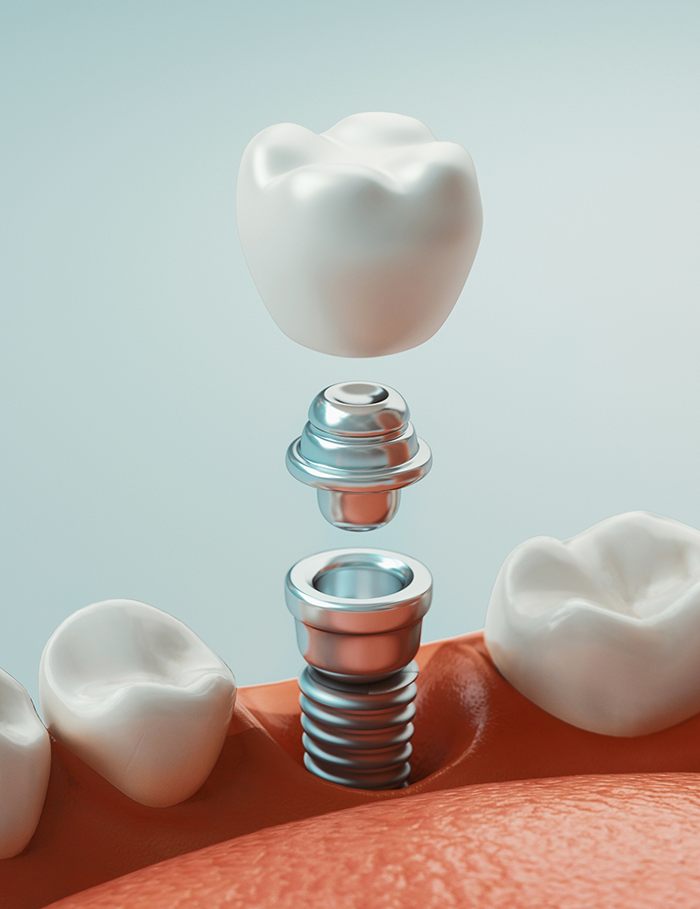
Dental implants are a revolutionary solution for replacing missing or severely damaged teeth. Unlike traditional dentures or bridges, dental implants are surgically placed into the jawbone, acting as a sturdy and permanent foundation for artificial teeth.
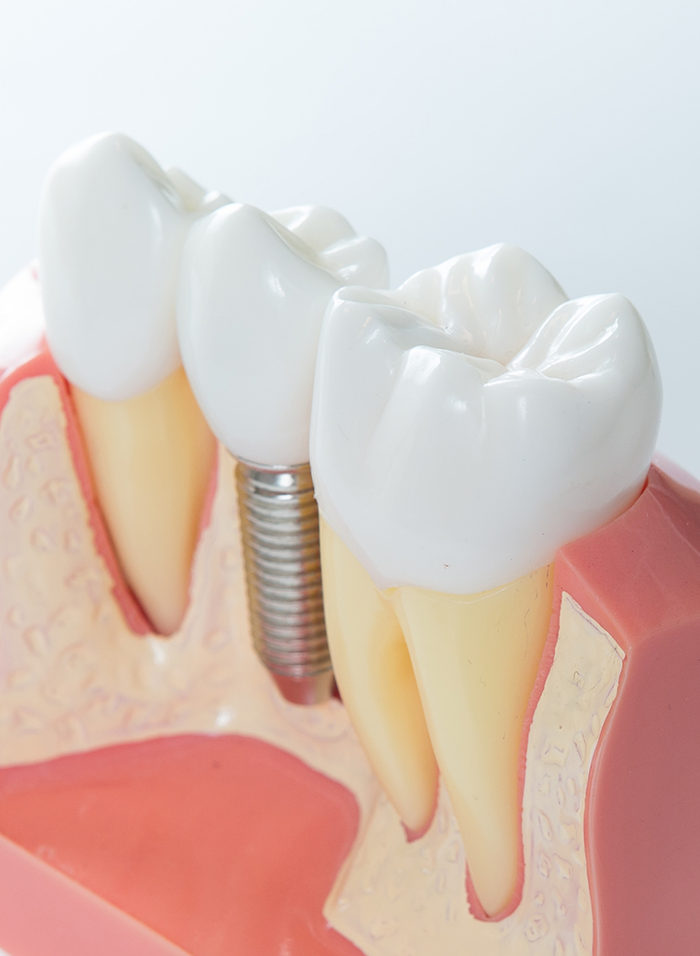
A dental implant consists of three main components:
- Titanium Post (Implant): This is a small, screw-like post that is surgically inserted into the jawbone. Titanium is biocompatible, meaning it integrates with the bone.
- Abutment: This connector sits on top of the implant post and holds the crown in place.
- Crown: The visible part of the tooth, typically made of porcelain, ceramic, or other durable materials, that mimics the look and function of a natural tooth.
The Dental Implant Process
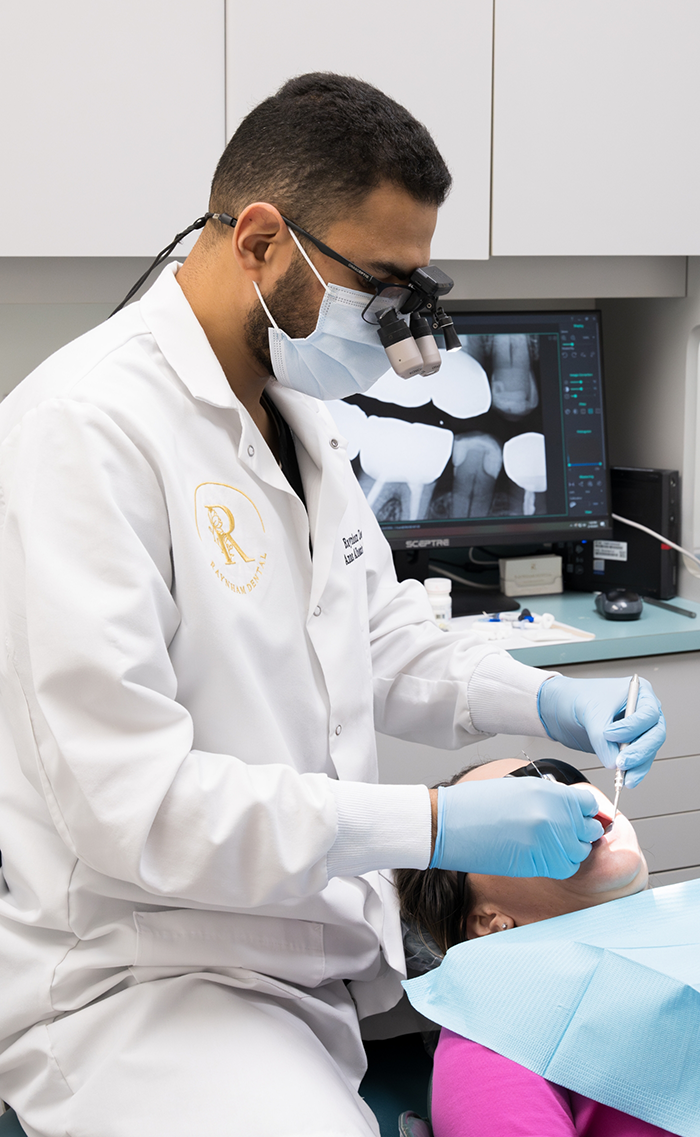
The dental implant process is a multi-step procedure that typically takes several months. Here’s an overview of what you can expect:
- Initial Consultation: Dr. Al will perform a thorough examination, which may include X-rays or 3D imaging, to evaluate your oral health, jawbone density, and overall suitability for implants. If needed, any preliminary treatments, such as a bone graft, may be recommended.
- Surgical Placement of the Implant: The first step in the procedure involves surgically placing the titanium implant post into the jawbone. This is typically done under local anesthesia or sedation to ensure you are comfortable throughout the process.
- Osseointegration (Healing Phase): After the implant is placed, the jawbone needs time to heal and fuse with the implant in a process called osseointegration. This process can take anywhere from 3 to 6 months depending on the individual and their healing rate.
-
Placement of the Abutment: Once osseointegration is complete, a small connector called an abutment is placed on top of the implant. This serves as a base for the new tooth.
- Custom-Fabricated Restoration: After the abutment is placed, your dentist will take impressions of your teeth to create a custom-made crown, bridge, or denture that fits perfectly and matches the color of your surrounding teeth. The restoration is then securely attached to the abutment.
- Final Adjustments: Once the restoration is in place, Dr. Al will make any necessary adjustments to ensure the implant feels comfortable and functions properly. You will be able to enjoy a fully restored smile!
3D Guided Dental Implants
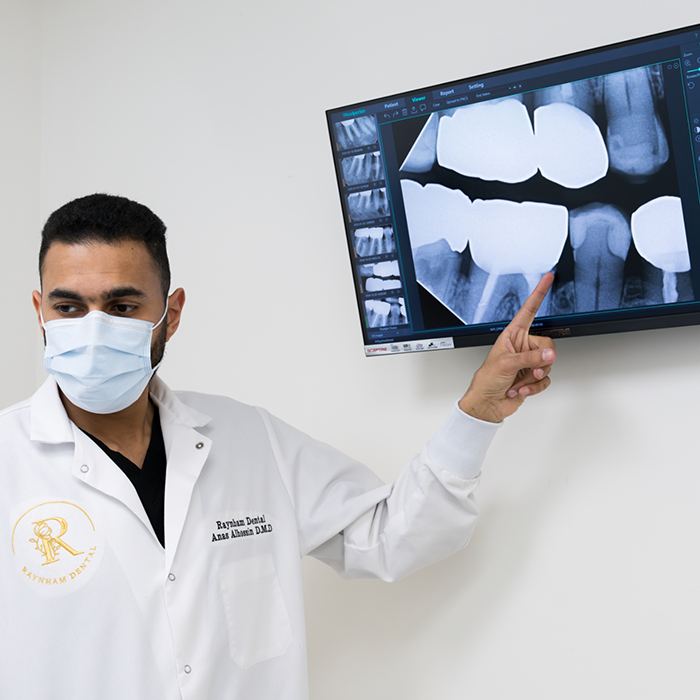
Dr. Al knows that technology is becoming a bigger part of dentistry with every passing day, and in order to remain ahead of the curve, he’s made sure that our office has the best dental implant technology available. Using 3D imaging and computer-assisted technology, he can accurately and safely place dental implants and ensure they serve you well for the foreseeable future.
Learn More About 3D Guided Dental Implants
Benefits of Dental Implants
Dental implants offer many benefits over traditional dentures, bridges, or other tooth replacement methods:
- Natural Look and Feel: Implants are designed to look, feel, and function like your natural teeth. The crown is custom-made to match the color and shape of your existing teeth.
- Improved Quality of Life: With dental implants, you can eat your favorite foods, speak clearly, and smile with confidence.
- Durability: With proper care, dental implants can last a lifetime. They are more durable than dentures or bridges, which regularly require replacement.
- Bone Preservation: Implants stimulate the jawbone, helping to preserve its density and prevent the bone loss that can occur with missing teeth.
- Improved Functionality: Implants restore full chewing and speaking ability, making it easier to eat and communicate confidently.
- No Damage to Surrounding Teeth: Unlike bridges, dental implants do not require altering adjacent teeth, preserving the natural structure of your mouth.
- Comfort: Dental implants are secure and stable, eliminating the discomfort and inconvenience often associated with removable dentures.
- Increased Self-Esteem: Dental implants restore your confidence in your smile, helping you look and feel your best.
Who Can Dental Implants Help?
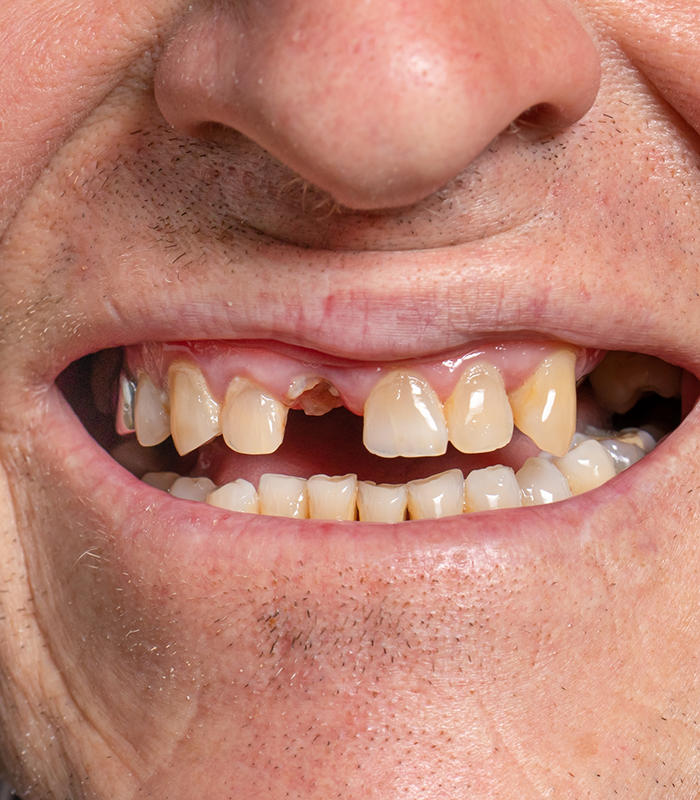
Dental implants are an ideal solution for individuals who are missing one or more teeth due to injury, decay, or other reasons. The best candidates for dental implants:
- Have healthy gums and adequate bone density in the jaw to support the implant.
- Are free from serious health conditions that could interfere with the healing process (such as uncontrolled diabetes).
- Are non-smokers or are willing to quit smoking to reduce the risk of complications.
- Even if you have been told you don’t have enough jawbone for implants, there may still be options, such as bone grafting or sinus lifts, that can help you become a candidate.
Understanding the Cost of Dental Implants

The cost of dental implants can vary depending on several factors, including the number of implants needed, the complexity of the procedure, and the need for preparatory treatments. Many dental offices offer financing options to help make implants more affordable.
Some dental insurance plans provide partial coverage for dental implants, but coverage can vary. It’s important to check with your provider and your dentist’s office for specific details.
Maintaining & Caring for Your Dental Implants
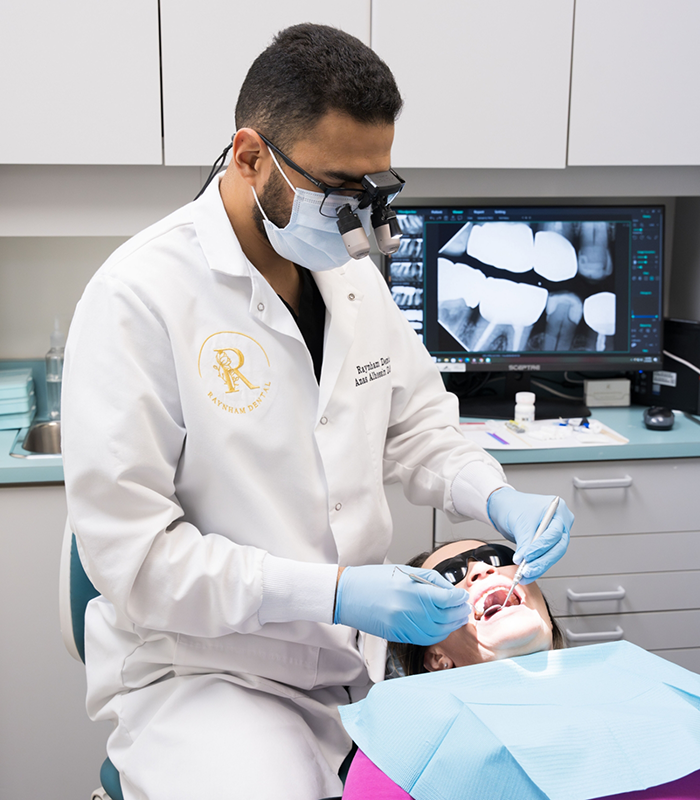
Taking care of dental implants is similar to caring for natural teeth:
- Brush and Floss Regularly: Brush your implant-supported teeth at least twice a day and floss daily to prevent plaque buildup and gum disease.
- Regular Checkups: Schedule regular dental visits to ensure your implants remain in good condition and your gums stay healthy.
- Avoid Chewing Hard Objects: Avoid habits like chewing on ice, hard candies, or non-food items that could damage your implants.
Dental Implant FAQs
What Can Cause Dental Implants to Fail?
Although dental implants have an impressive success rate of over 95%, it is possible for them to fail. The two most common culprits are peri-implantitis (a form of gum disease) and failed osseointegration (when the jawbone and implant don’t fuse properly). Smoking, chronic teeth grinding, and poor oral hygiene can also lead to failure, which is why patients are encouraged to quit using tobacco products, wear a nightguard while they sleep, and prioritize their at-home dental care regimen.
Am I Too Old to Get Dental Implants?
The truth is that there isn’t an upper age limit for dental implants. In fact, whether you’re 28 or 78, you may be a candidate, so don’t hesitate to schedule a consultation with us! That way, Dr. Al can get an in-depth understanding of your dental history, needs, and goals before determining if this is the best tooth-replacement solution for you.
Will I Have to Take Off Work for Dental Implant Surgery?
If you have a physically demanding job or you need any preliminary procedures prior to getting dental implants, then we may recommend taking 3-4 days off work. That said, most patients only need to take one or two days off. If you schedule your procedure on a Friday afternoon, then you may not need to use any of your PTO!
Can I Get Dental Implants If I Smoke?
Patients who smoke often aren’t eligible for dental implants since there’s an increased risk of dry mouth, delayed healing, and failed osseointegration. With that said, there are some exceptions. That’s why it’s always best to schedule a consultation. If we decide together that dental implants are the best tooth-replacement solution for you, then you will still need to avoid tobacco products for at least two weeks prior as well as two months afterward, making this a great opportunity to kick the habit for good!
Is There Anything I Shouldn’t Eat with Dental Implants?
Dental implants are similar to your natural teeth in many ways, including that they can break with enough force. For this reason, we encourage patients to steer clear of extremely crunchy foods, including hard pretzels. It’s also a good idea to avoid sticky snacks, like taffy, since they can tug your restoration out of place. To put it simply, eating softer, more nutrient-dense foods is ideal (i.e., cottage cheese, oatmeal, vegetable soup).
Do Dental Implants Decay?
Since they are artificial, dental implants in Raynham cannot decay. Of course, that doesn’t mean that your oral hygiene regimen is no longer important. Quite the opposite since the teeth surrounding your dental implants can still decay, and the gums supporting them can quickly develop an infection if you stop brushing, flossing, and rinsing with mouthwash.
Will People Be Able to Tell That I Have Dental Implants?
Only the best materials are used to make dental implants, and they are custom-made for each patient. That combined with the fact that they are surgically inserted directly into the jawbone (which prevents embarrassing slipping) makes them look and feel extremely lifelike. As a result, you don’t have to worry – no unwanted attention will be drawn to your smile.
